Try Weglot for free




If you’re a small team with a translated website, you can reuse that work for multilingual social media posts, ads, and emails.
Repurposing makes content production a lot easier for new markets. But it doesn’t automatically mean you’ll reach or resonate with the people in them.
To achieve that, you also need to know what matters to diverse audiences, where they pay attention, and who they trust.
In this guide, you’ll learn a 5-step multilingual content repurposing workflow, including its limitations. You’ll also see the additional work brands like Eurostar and IKEA are doing to win customers in specific regions.
Multilingual content repurposing means adapting already-translated website content for new channels like social, ads, and email.
SMBs can’t afford to translate into multiple languages from scratch every time they need new marketing materials. Reusing reviewed wording is a practical shortcut that saves production time and maintains brand consistency.
It also helps lean teams meet crucial market demand.
According to a 2025 study of 6 European countries, most users prefer content in their desired language, which won’t shock anyone.
So, where should you start?
The best types of high-quality content to repurpose (with example ideas) include:
These content types often include a lot of detail that drives lasting returns, ranks well in search, and easily adapts across international markets.
Long-form video content, webinar recordings, and podcast episodes are also rich sources of reusable content. This guide focuses on using your existing translated website pages.
To build an efficient workflow, use website translations your team has signed off on, adapt them for each channel in dedicated tools, and send every linkable campaign to a translated page on your website.
The following 5 steps will help you expand each piece of content’s reach in less time.
Note that some of the steps happen in Weglot, and step 3 uses the MCP from Weglot 2.0, which builds on the Weglot you know and tailors AI translations to your brand. Others happen in the tools you use for international social media, ads, and email management.
Start by picking one page to build from, and check that its translations are ready to reuse. For a small team, one well-chosen page can supply weeks of channel content.
A quick review at this stage also stops you from carrying a mistake across every post. (Yikes!)
Take an online lighting shop that sells in English, French, and German. Suppose it wants to create LinkedIn posts and a newsletter from its guide to choosing lighting for a home office.
The guide is a good choice because it stays useful over time and breaks down into short, standalone tips. Plus, it already links to translated product pages.
The shop opens its translation list in Weglot, filters it by the guide's French URL, and reads the translations stored for that page.
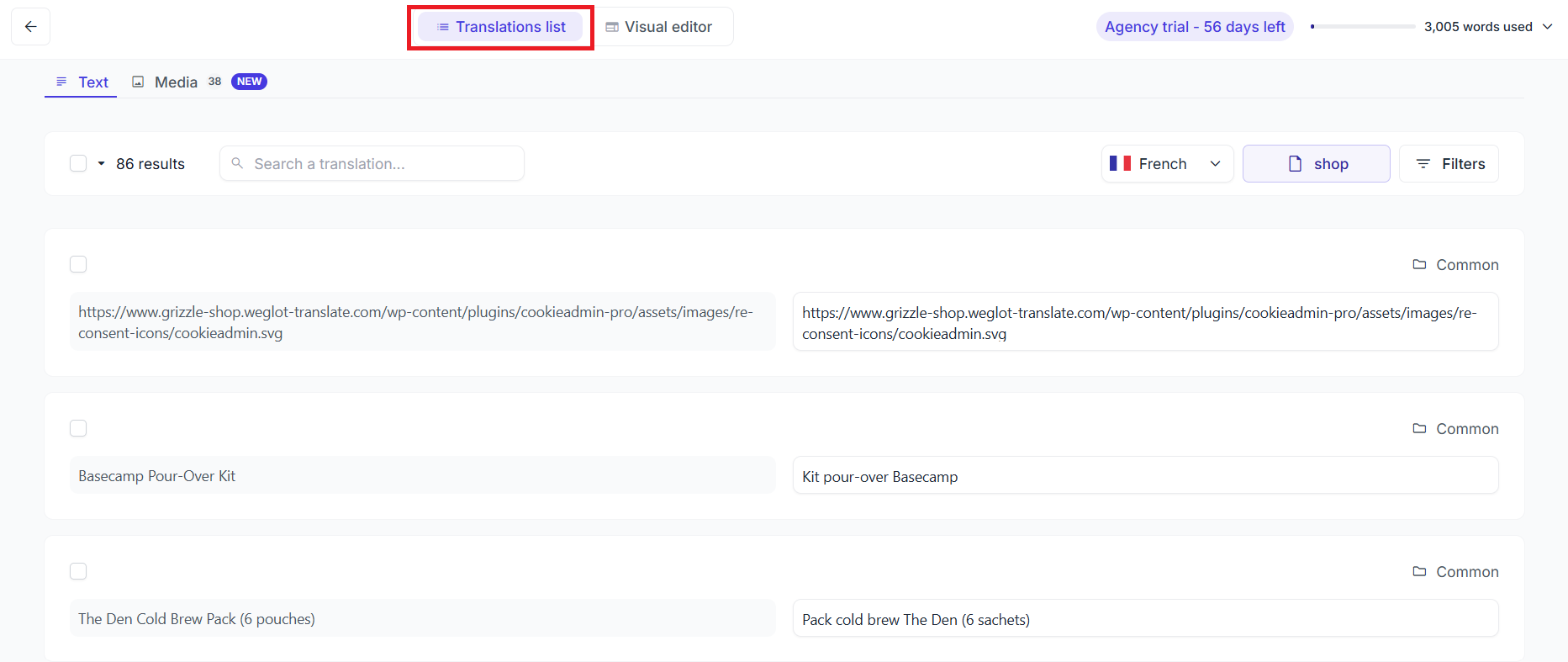
When reviewing translations, check that the claims, product terms, and tone align with what you’d want to say on every channel. Then, edit anything that’s off.
Build from passages you’ve checked, rather than from everything stored in the project.
If a page shows no translations, nobody has visited or scanned it yet, so there won’t be anything to review. If you want the translations to show up, visit the page yourself. Weglot will then generate the translations, and you’ll be able to edit them after.
A multilingual marketing campaign link is only as good as the page it opens. So, make sure every link in repurposed content points to a translated page at the right language URL.
A French Facebook ad that redirects people to the English-language page version wastes the work you put into the ad, because people expect to see the matching French product pages.
But it’s an easy mistake when several channels and languages are running at once.
Weglot gives each language its own URL, like yoursite.com/fr/ or fr.yoursite.com, so you can link your French ad to the French page.
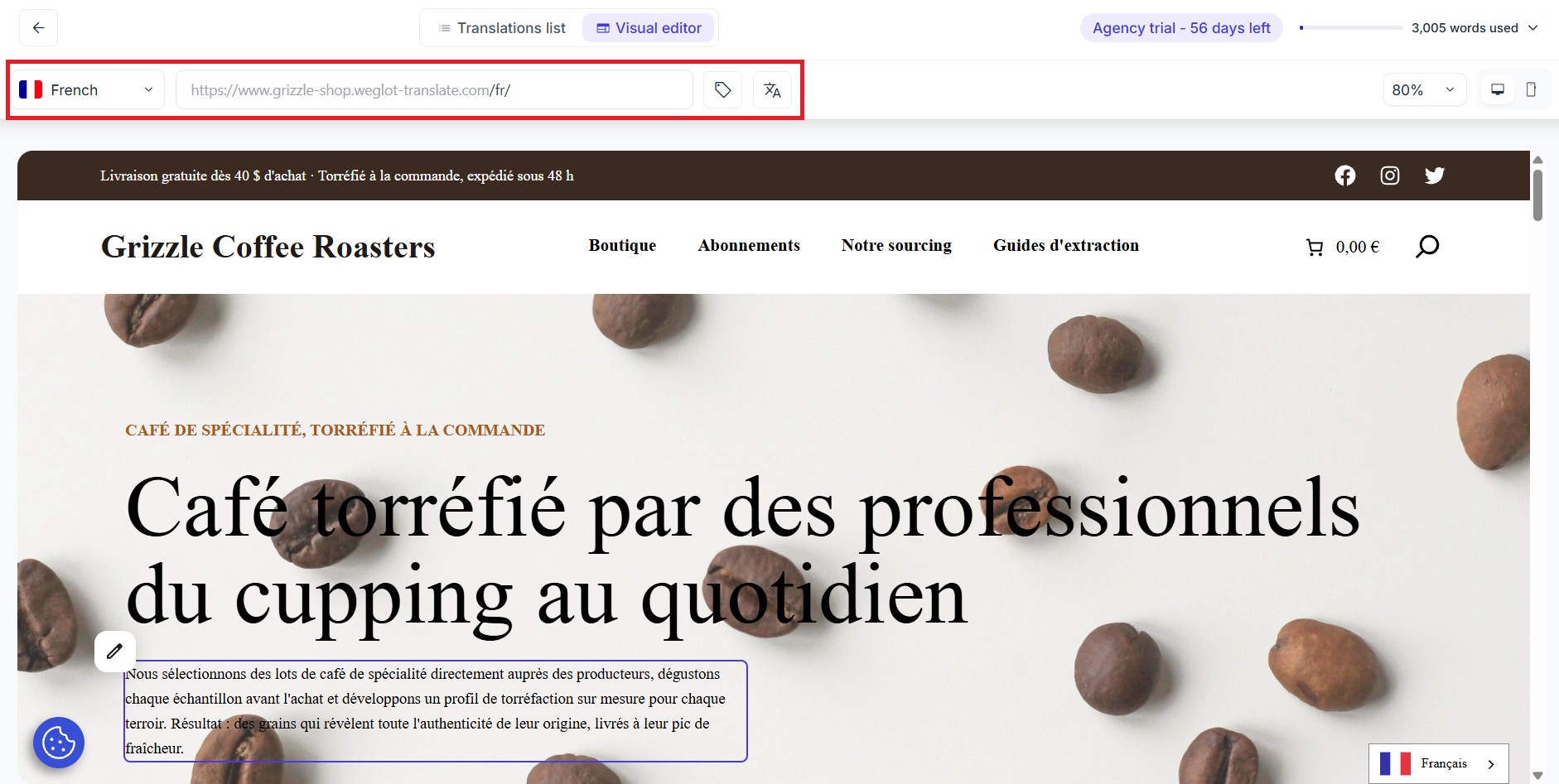
Weglot also manages hreflang tags and translated metadata, so search engines can distinguish the language versions. Depending on your integration, Weglot can also manage multilingual sitemaps.
Outside of Weglot, always check all wording and each link before you publish in your post preview or email draft. This step catches errors that can creep in when you copy and paste.
Once you’ve picked a source page, pull out every piece that can stand on its own, such as benefits, stats with qualifiers, tips, or quotes.
Working from a shorter list of approved pieces is also much faster than rereading a whole page for every channel.
In the lighting shop’s case, the team might choose the following elements to repurpose: 3 tips, product benefit statements, the CTA, and a free delivery offer on orders over €50 in France.
Once you’ve chosen the elements you want to repurpose, Weglot can help you find them. Instead of requiring you to pull out each piece manually, Weglot’s MCP (Model Context Protocol, currently in beta and available to Weglot 2.0 users) lets an AI assistant read translations stored in your product.
Weglot 2.0 is open to new WordPress users today, and you can join the waitlist for other platforms.
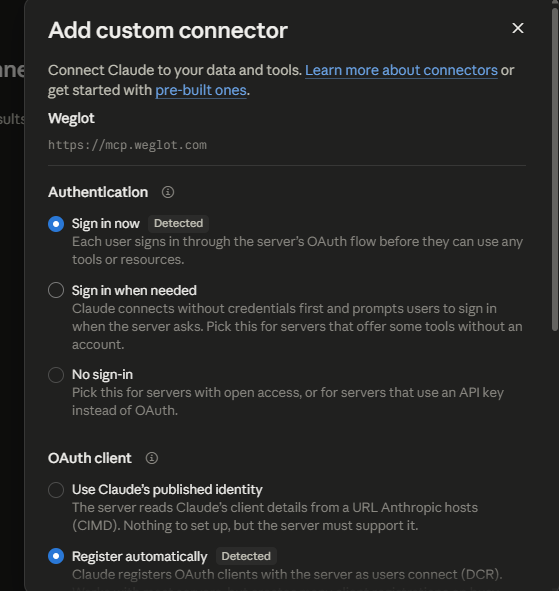
Each translation comes with an “AI” or “Reviewed” status, so you can ask the assistant to pull only translations marked as reviewed.
The lighting shop’s team could type something like:
If you don’t use the MCP, don’t worry. Copy elements by hand from the translations you reviewed in step 1. And don’t forget to check every result for translation quality before posting.
Reshape each draft for the channel you’re publishing on in your dedicated email, social, or ad platforms.
While Weglot manages your translated website, it doesn’t create, send, or measure repurposed posts.
It does help one source page feed additional channels without separate translation jobs.
Say the lighting shop chooses one major tip from its French home-office guide: putting your lamp opposite your writing hand so it doesn’t cast a shadow.
It adapts this into 3 pieces of content:
For your own campaigns, keep these tips in mind:
When adapting content, the most important thing to remember is transcreation (recreating a message for a new audience rather than translating it word for word). Focus on preserving the original emotional impact, brand voice, and persuasive intent for that local audience.
Before publishing, check every adapted piece against the reviewed source. Even though it’s not a fresh translation, any new wording should have a separate approval step.
Quality checks will help you catch an inaccurate claim or off-brand term before it costs ad budget or customer trust.
When you review content, ask these questions:
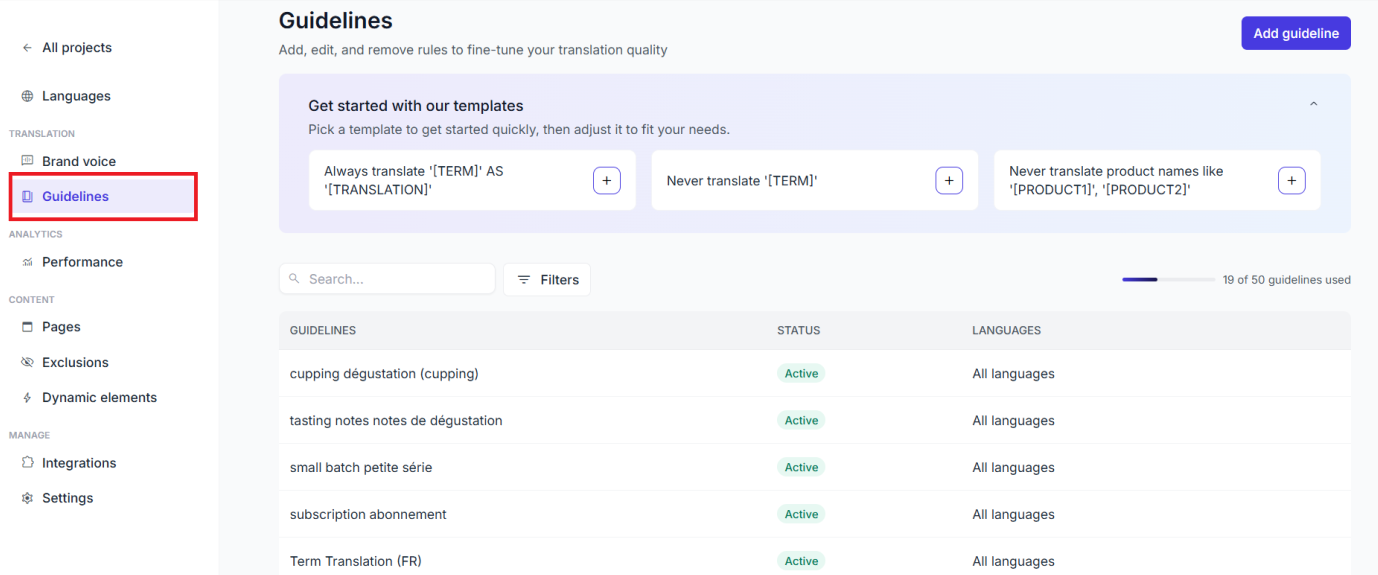
If no one on your team speaks the native language, Weglot’s Guidelines can act like a reference list of approved terms.
You can also ask a native speaker you trust, like a friend, colleague, or freelancer, to review any updates.
Finally, keep everything organized with a simple log that includes source page, language, channel, and version.
Repurposing gets translated content into new formats for multiple platforms faster. But it doesn’t tell you where to show up in a specific market or what to say there to resonate.
But translation technology alone won’t win customers. Brands also need a localization strategy that puts stories people understand and care about in front of them.
Here are 4 questions repurposing can’t answer, along with how real brands approached them and how small teams can apply the same ideas on a smaller scale:
You can measure the impact of your repurposing strategy on different regions in your own social, ads, email, and analytics tools.
Cultural nuances, local regulations, and platform preferences vary drastically by geography. Tracking this data ensures you spend your limited marketing budget on formats and messages that convert in each market.
Some example KPIs to track success and where to find them include:
Important: As small teams work with lower volume, don’t rely on one post’s results for longer-term direction. Instead, define success per market before launch, compare each market against itself over time, and look for patterns across campaigns.
Repurposing saves production effort, but the work to connect with each local market doesn’t disappear.
Always start from human-reviewed wording before adapting for each channel. Then check it before posting and make sure every applicable campaign links to a translated page.
To help content resonate with local communities, ask for input and do the research to target the right channels, communities, partners, and messages.
Ready to try Weglot? Start your 14-day free trial to translate your website and give every campaign a page in your visitors' language.

We’ll get your first languages live. You decide how far you want to go. Try Weglot for free today.
Trusted by 110,000+ global brands





Weglot is tested and trusted by brands worldwide since 2016. Join them today.


0 visits from translated pages in the last 90 days.