Try Weglot for free





AI translation uses neural networks to predict and convert text while preserving context and intent. What used to be clunky, word‑for‑word output is now context‑aware language that can mirror intent, voice, and even subtle tone across dozens of markets.
At the same time, the risks have shifted. Challenges come from how you publish translations on your site, how visible those pages are to search engines, and how well your workflow allows for human intervention when needed.
This guide will walk you through how modern engines work, where they still fall short, and how a hybrid approach turns AI into a high-speed first draft rather than a ‘that’ll do’ shortcut. We’ll also demonstrate how AI translation tools like Weglot combine multi‑engine AI translation, brand-aware language models, and server-side multilingual SEO to combine speed, accuracy, and discoverability from day one.
AI translation focuses on contextual understanding, using the following technologies:
In contrast, translation tools used rule-based systems – digital dictionaries swapping one word for another. This often resulted in inaccurate results because it ignored how languages actually function.
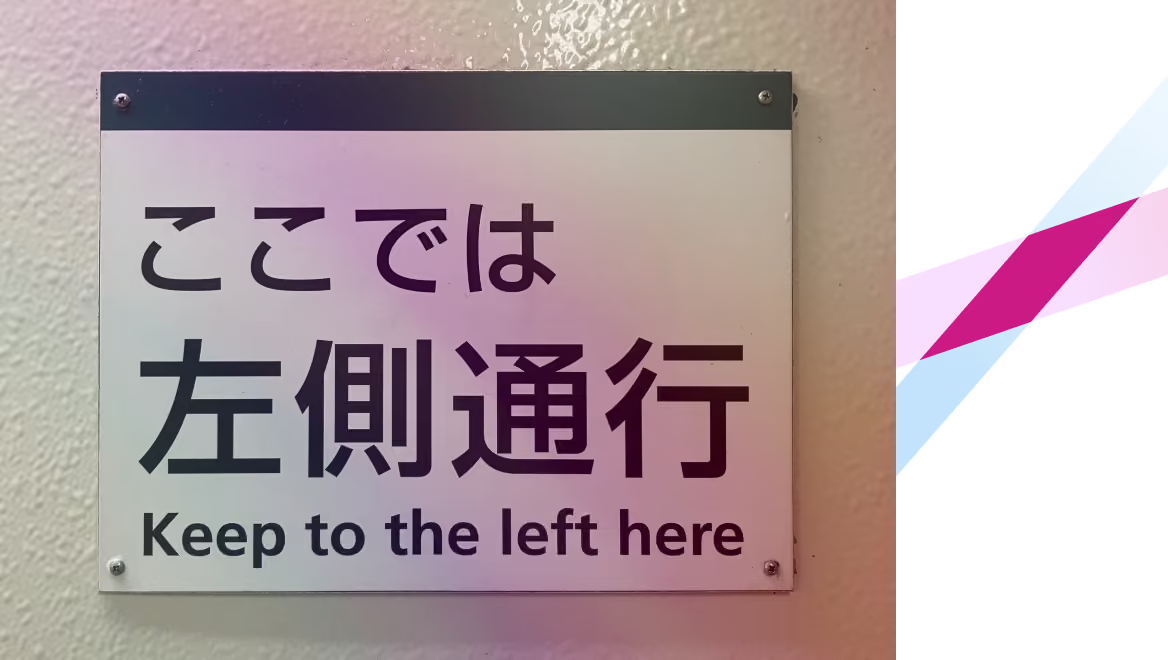
Although word-for-word direct translation works in some cases, wider context is needed in most. There are many instances where direct translation can deliver a completely different meaning to that intended, or even cause offense.
AI translation tools remove the manual drag of traditional processes and accelerate international expansion. Here’s how technology changes the process:

{{ai-banner}}
Identifying the right approach to AI translation involves matching specific technology types to the intended business outcome. The landscape has moved beyond simple web-browser plugins into sophisticated systems that handle entire content lifecycles.
AI translation has moved far beyond simple word substitution. Modern engines use advanced neural networks to deliver results that read more naturally and adapt to context.
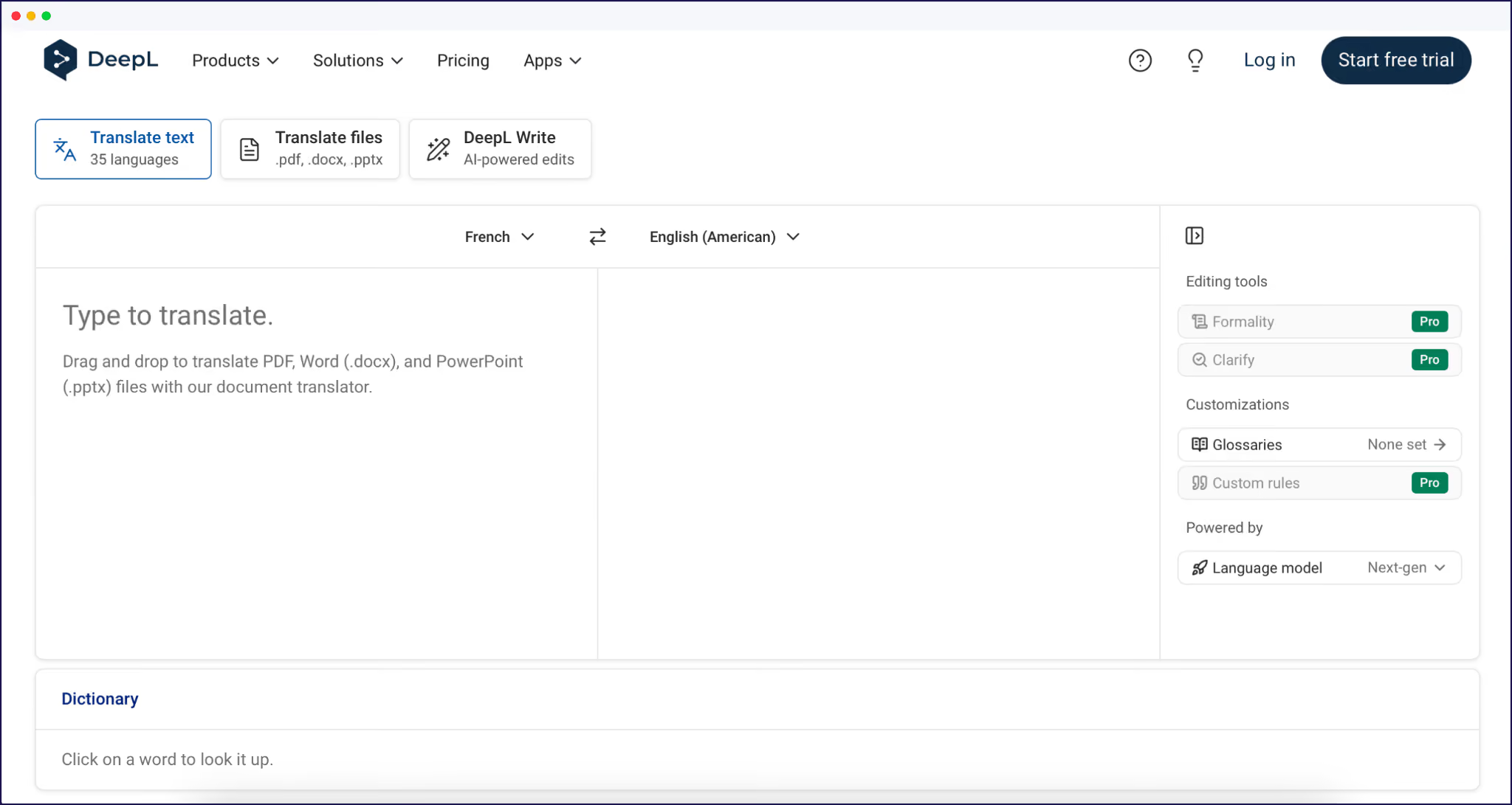
Together, these tools form a layered translation ecosystem, where AI handles scale and speed, while human editors ensure quality, nuance, and brand accuracy.
While AI translation is a powerhouse for speed, certain translation nuances still need a human touch to improve accuracy.
The best approach to translation times is a hybrid one. Hybrid translation merges the efficiency of AI with the oversight of human linguists to balance speed and quality.
The process begins with an AI engine generating a rapid first draft, which allows for the immediate translation of large volumes of text that would be too slow or expensive to handle manually.
Once this baseline is established, human translators can focus on refining high-stakes pages, like homepages or legal content. Instead of having to translate thousands of words, experts are focused on the most critical terms or phrases. For businesses, the hybrid route offers the perfect balance of speed and accuracy, and leading AI translation tools like Weglot use it as standard.
{{quote-cta-banner}}
“Choosing the right AI translation workflow starts with scope. For a few landing pages or a tiny blog, you can usually copy‑paste into an LLM and manage quality manually. For larger or frequently updated sites, you’ll need a dedicated website localization solution or TMS so you can centralize translations, automate updates, and add glossaries and QA.”
– Eugène Ernoult, CMO at Weglot
Next, match the tool to your technical comfort level and budget. Low‑code website localization platforms handle setup, hreflang, and language switching for you, whereas a developer‑first TMS assumes you’re comfortable wiring up APIs and repositories. If you need human review (internal teams or professional linguists), look for tools with integrated human editing workflows.
SEO will matter for all but the most niche brands, so prioritize solutions that create separate language URLs, manage metadata, and handle hreflang automatically. You can see the results of correct hreflang tagging below:

“While it’s true that you can configure these manually, it’s incredibly time-consuming to do this when adding new pages to your site every week, and one tiny error can stop a page from being findable through search engines.”
– Eugène Ernoult, CMO at Weglot
For a tool-on-tool comparison, check out our guide to the 9 Best Translation Plugins, and see which one matches the needs of your own operation.
Weglot uses multi-engine routing – from DeepL, Google Translate, and Microsoft Translator – to pick the best provider for your specific language pair. This ensures a high-quality first layer of translation from the moment you launch.
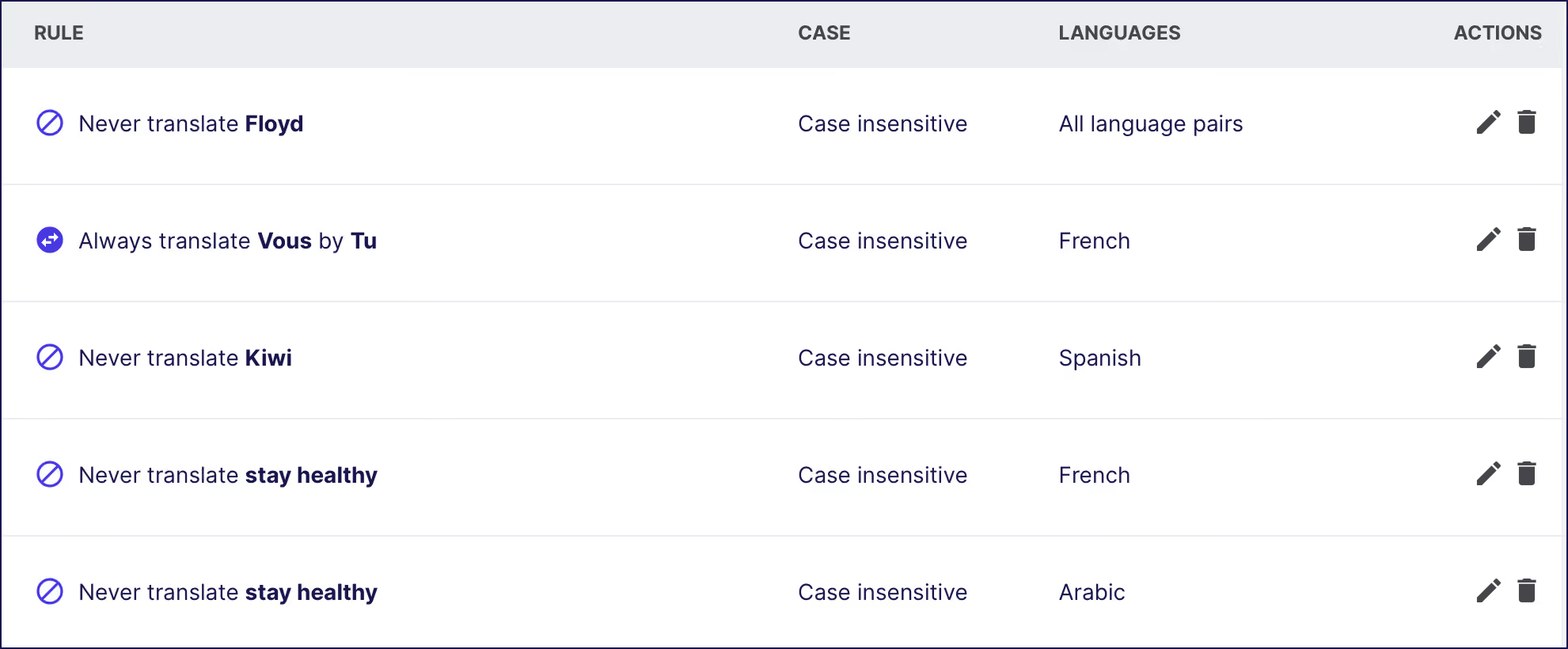
Our AI Language Model takes things even further. Powered by OpenAI and Gemini, it learns from your brand guidelines, glossary, and past edits. You can even give it specific instructions about your tone of voice. This lets the tool generate context-aware translations on autopilot that actually sound like your brand.
However, translation accuracy is only half the battle! If search engines can’t find your site, your translations won’t drive ROI. Weglot handles all SEO for every page automatically – including subdirectories, metadata translation, and hreflang tags – so your pages can rank on search engines and be findable for potential customers. Metadata translation picks up the following, so your SERP listings are optimized in different languages, encouraging more click-throughs from local people:

What’s more, Weglot is tech-free – you can launch a multilingual WordPress site in under 5 minutes, or under 10 on any other CMS. Our platform detects and translates new content the moment you upload new native content.
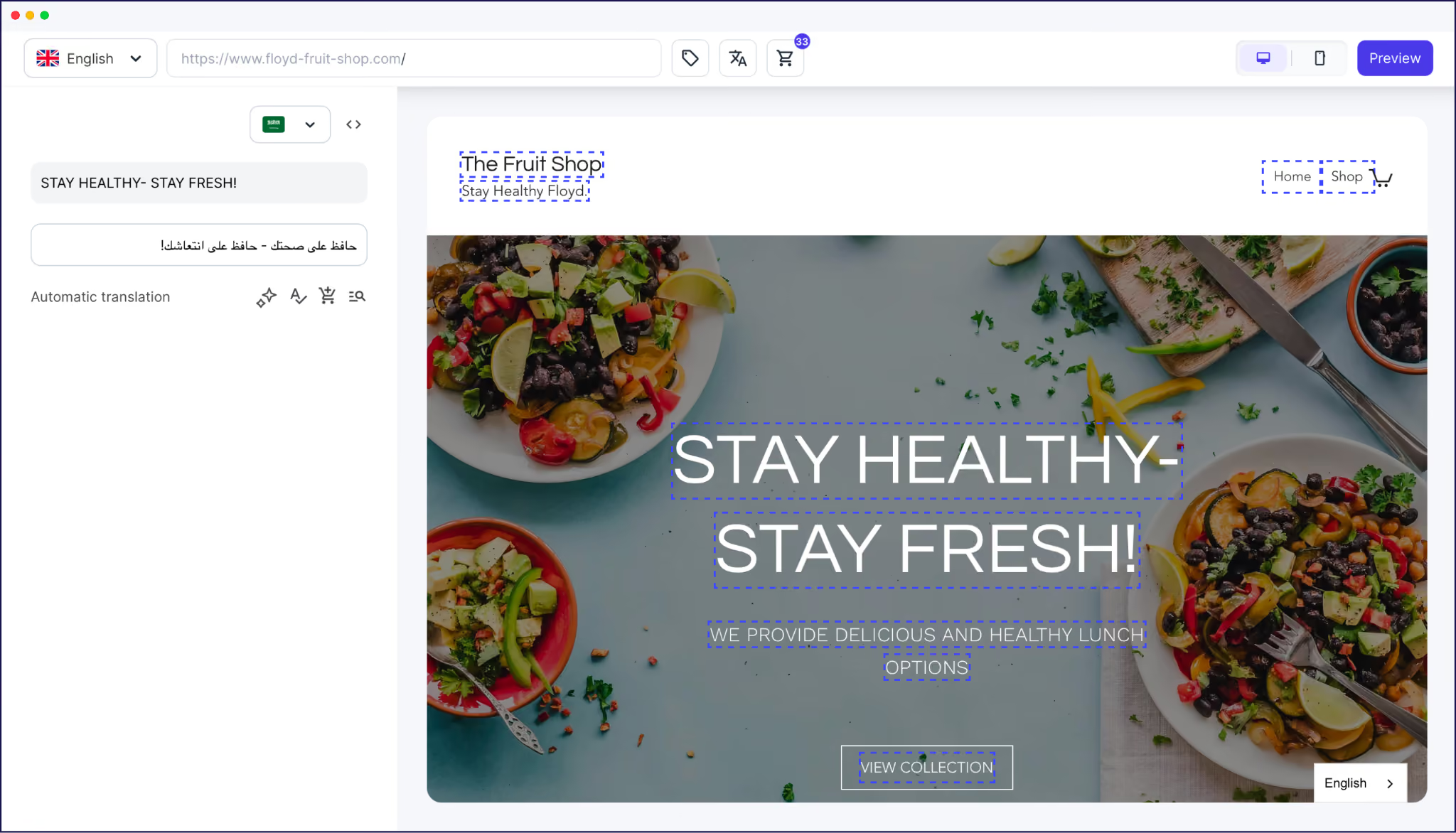
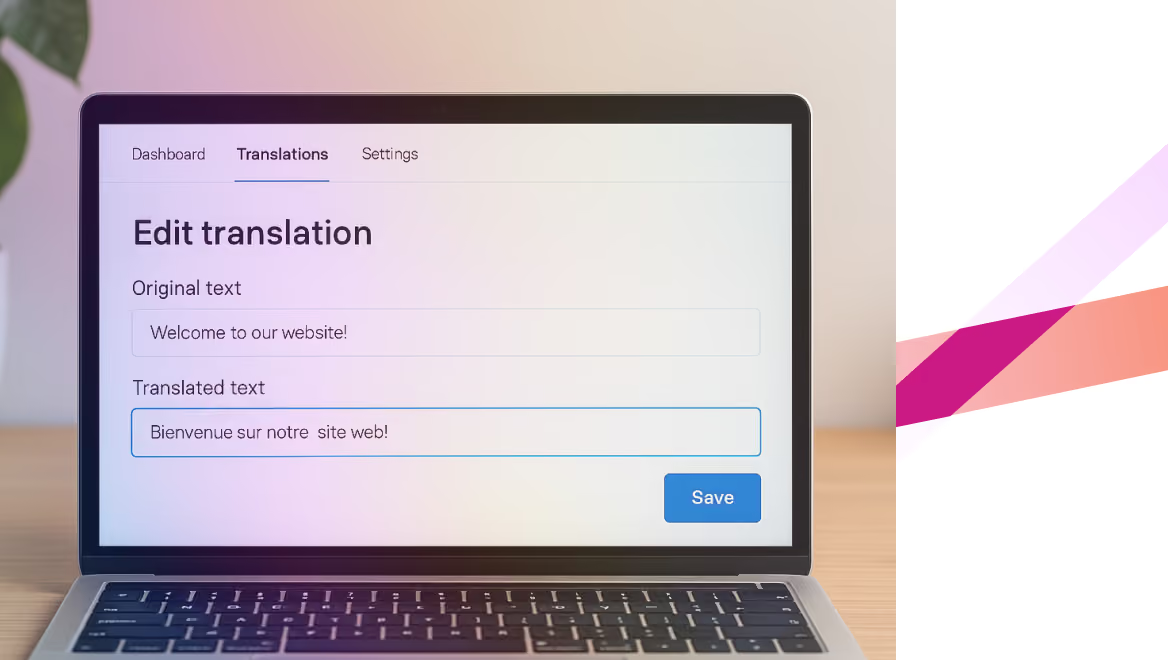
You can also refine translations yourself (or invite professional editors to help) through a frontend Visual Editor. We provide all of the infrastructure you need for fast and accurate translations, so you can focus solely on more creative business pursuits.
AI has moved translation from clunky word-swapping to context-aware language that can genuinely support global growth. It now handles nuance, tone, and intent at scale, while a hybrid workflow lets human experts refine only the pages that truly need a human touch. And with the right setup, you also get SEO-ready infrastructure that ensures international customers can actually find and understand your content.
This is exactly where Weglot shines. You gain multi‑engine AI translation, brand-aware language models, and fully optimized multilingual SEO, with zero development work needed.
If you’re ready to see what this looks like on your own site, try Weglot’s free 14-day trial and launch a multilingual experience in minutes.

We’ll get your first languages live. You decide how far you want to go. Try Weglot for free today.
Trusted by 70,000+ global brands









Weglot is tested and trusted by brands worldwide since 2016. Join them today.


The best way to understand the power of Weglot is to see it for yourself. Test it for free and without any engagement.
A demo website is available in your dashboard if you’re not ready to connect your website yet.