Try Weglot for free


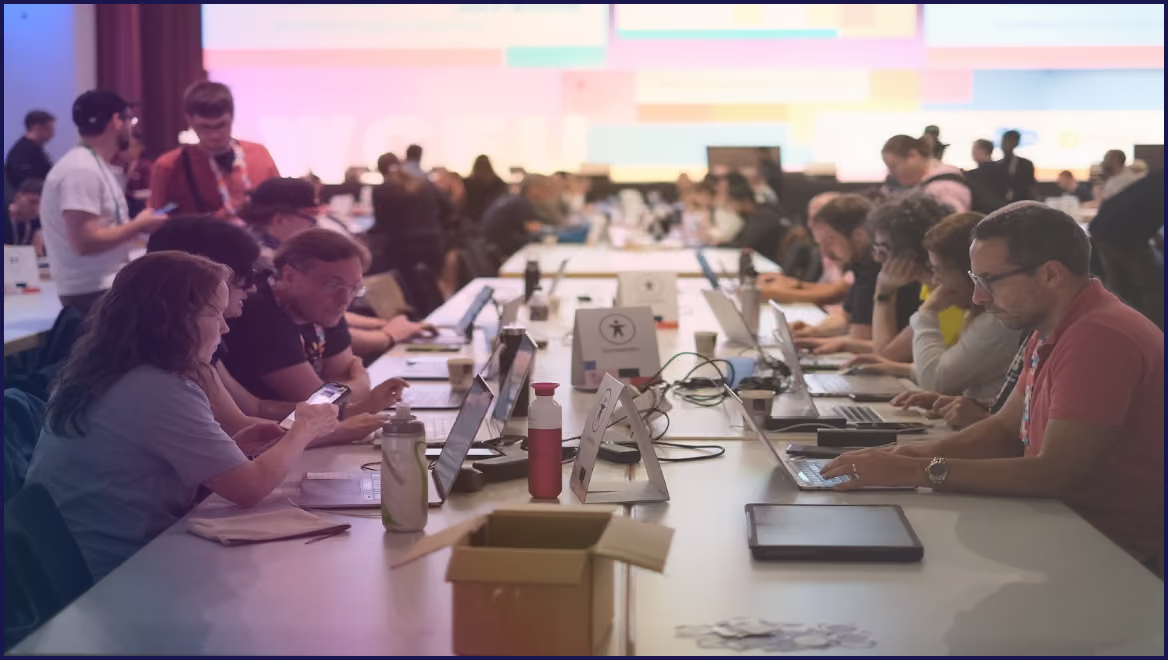


In the WordPress ecosystem, multilingualism is a structural strength and not just a nice-to-have. With contributors spanning every continent and hundreds of local communities building the platform in their own languages, WordPress grows through code and cultural connection.
Yet as the project evolves, an important question keeps resurfacing: How can we ensure that people feel empowered to contribute, even if English isn't their first language?
At Weglot, we're proud to sponsor contributors who dedicate their time to supporting WordPress teams globally. Their work shows, every day, how multilingual contributors enrich the project and help democratize the web. We spoke with Francesco di Candia (Italy), Pedro Mendonça (Portugal), and Celi Garoe (Spain) about their experiences, challenges, and the impact of speaking multiple languages in a global open-source community.
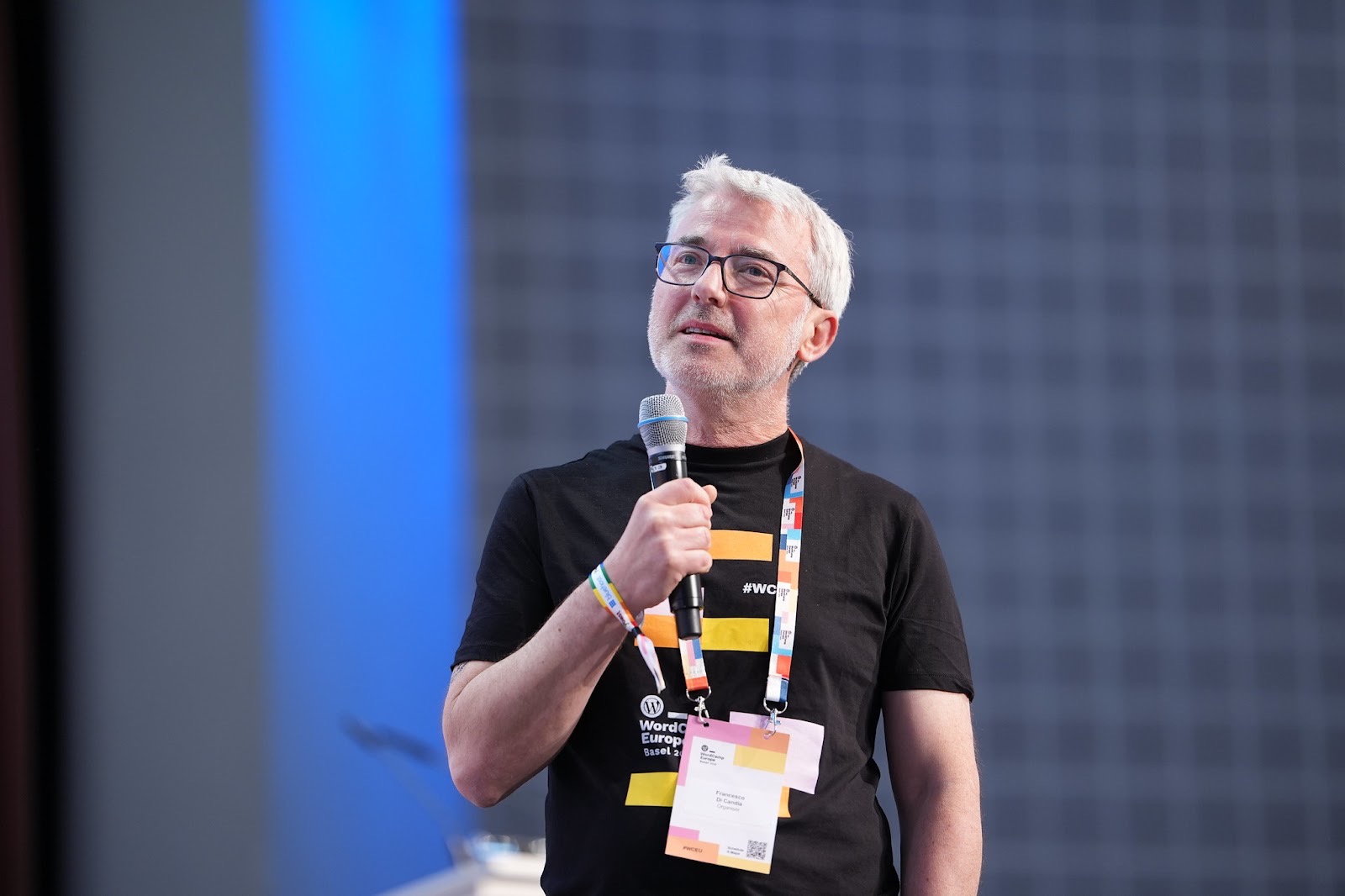
Francesco recalls two moments when speaking Italian made a meaningful difference.
The first was helping a particularly shy contributor who doubted their ability to participate in English. “Being able to support them in Italian made the task much easier,” he explains.
The second was assisting a young volunteer from the LGBTQ+ community who wanted to join but struggled with confidence. Again, speaking in their shared language helped lower the emotional barrier.
Francesco's own journey mirrors this. At his first WordCamp Europe in Sofia in 2014, he was suddenly thrown into the registration team, interacting with people whose English skills were far more advanced. He didn't feel ready, but he was welcomed anyway.
“The beauty of the WordPress world lies in the fact that absolutely anyone, even someone with limited English proficiency, can contribute and is warmly welcomed.”
Today, he's one of the Lead Organizers for WordCamp Europe 2026 in Kraków, a remarkable example of how multilingual contributors can grow into essential leadership roles when given support and space.
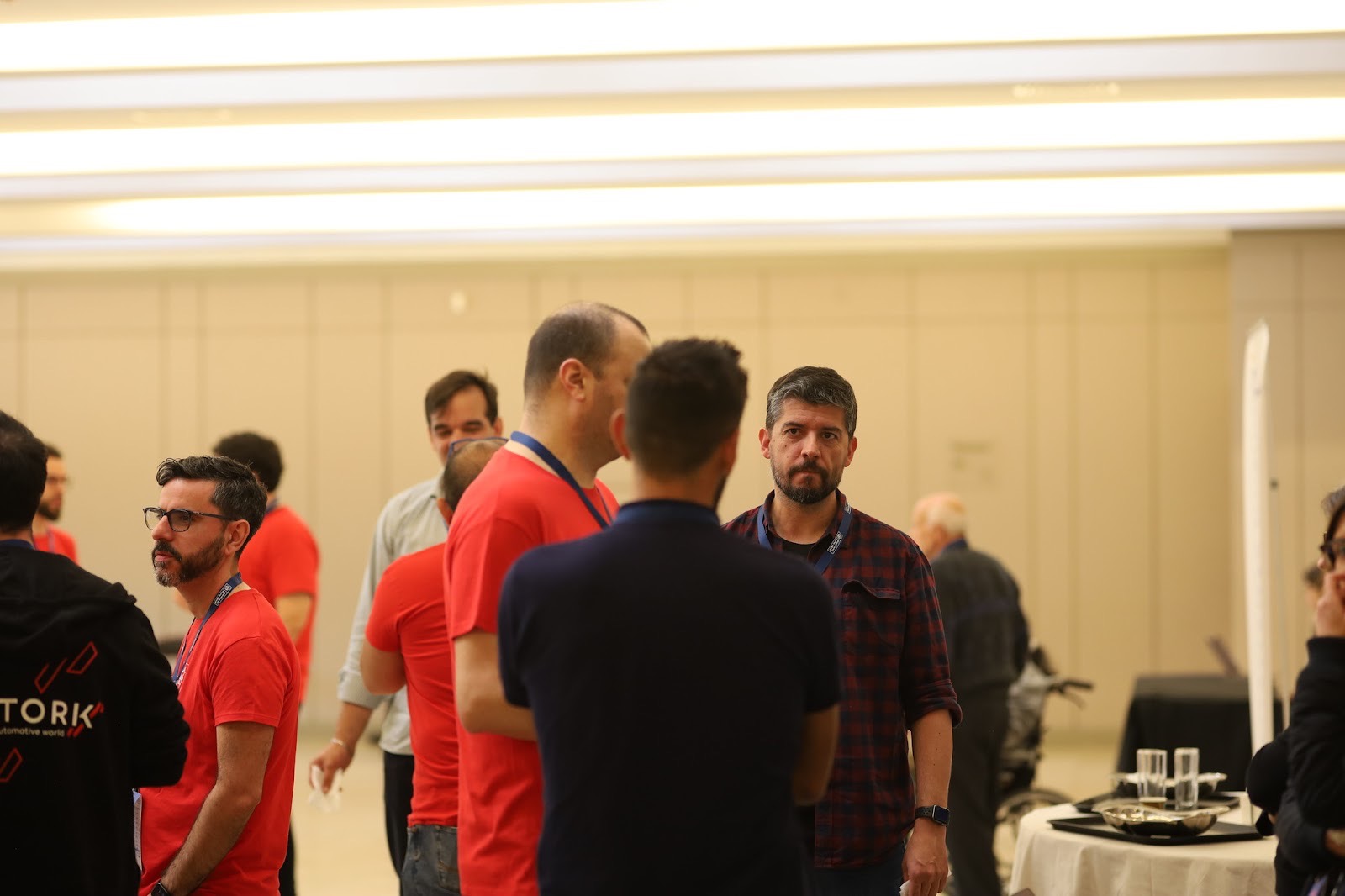
As one of the organizers of the WordPress Meetup Lisboa, Pedro regularly sees the value of native-language communication. From technical presentations to mentoring, Portuguese often becomes the key that unlocks confidence and participation.
“One of my friends shared how easy it is to create dynamic blocks, which was music to my ears as a PHP developer,” he says. “Later, I shared how to manage and deploy a plugin using GitHub actions. I know at least one friend will start using it soon!”
The exchange didn't require perfect English, it required understanding, comfort, and shared context. That's precisely what native languages offer: a low-barrier entry point for new contributors.
Pedro also points out that he first contributed to WordPress translations because many people didn't feel comfortable using English. “It was because people's English isn't perfect that I started contributing and helping translate WordPress into our language and culture.”
In other words, multilingualism helps contributors communicate and it also shapes the product itself.
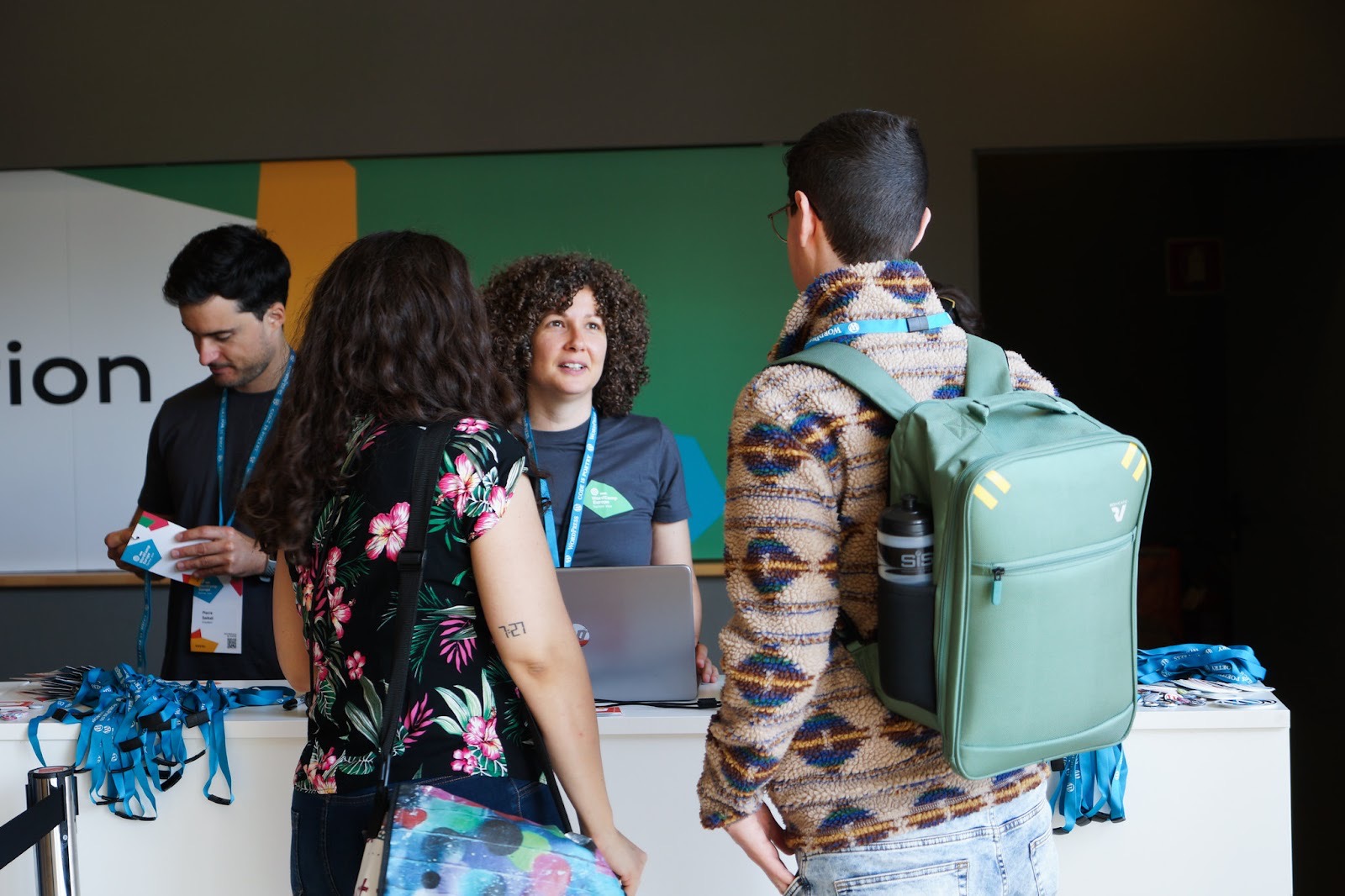
At WordCamp Europe 2025 in Basel, Celi volunteered in the team supporting other volunteers, a role where communication is everything. Speaking Spanish (and even a little Italian) made a huge difference: “It helped volunteers who weren't very comfortable with English feel included and part of the community. It removed a barrier.”
She also observed teammates doing the same in French, Serbian, German, and more. The result? A volunteer environment where people could contribute without linguistic anxiety, thereby improving the experience for attendees.
For her, the most challenging part of working in an English-first environment is the mental fatigue: “Communicating in a second language requires so much extra effort. You're constantly translating in your head, searching for the right words. Every message takes more time and energy.”
This is especially noticeable during real-time Slack meetings, where native speakers type rapidly and fluently. The cognitive load for non-native speakers is real, and often invisible. But this is exactly why multilingual contributors matter: they balance that gap, offering empathy, clarity, and accessibility where it's most needed.
Beyond individual stories, multilingual contributors bring structural benefits to the ecosystem:
1. They make onboarding easier for newcomers
People join and stay in WordPress when they feel understood. Native-language support builds confidence from day one.
2. They reduce linguistic anxiety
Translation, both linguistic and cultural, helps contributors feel safe to participate, ask questions, and propose ideas.
3. They help democratize access to tools, processes, and documentation
WordPress is used globally. Ensuring that its resources are accessible in multiple languages is essential to its mission.
4. They fuel innovation by bringing multiple cultural perspectives
Different contexts lead to different solutions, and better outcomes for everyone.
5. They make large events inclusive and truly international
From meetups to flagship events, multilingual volunteers often form the backbone of participant support.
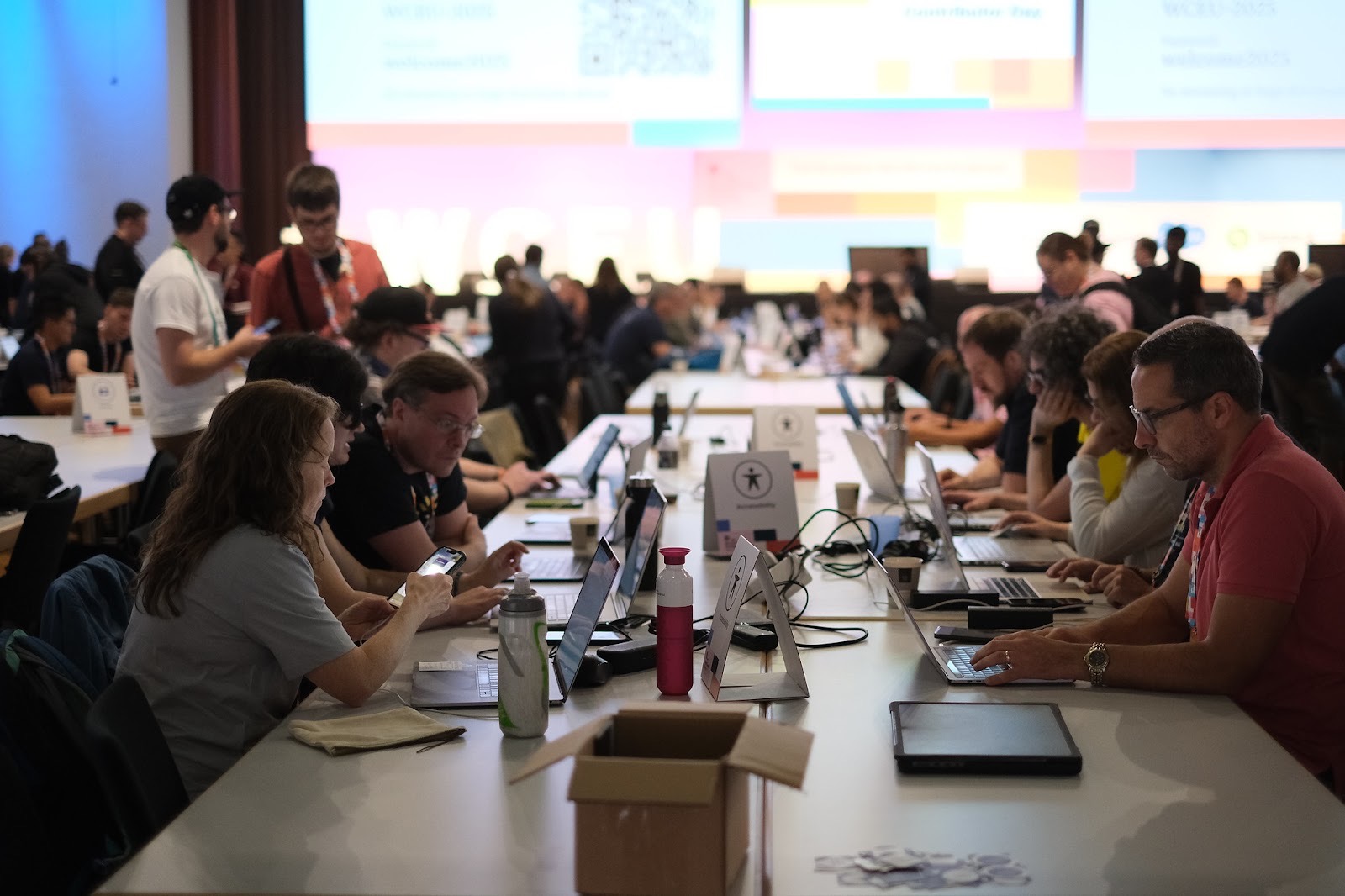
All three contributors (Francesco, Pedro, and Celi) dedicate part of their time to the WordPress project thanks to Weglot's sponsorship of their contributor hours.
This support allows them to:
It's a virtuous cycle: supporting multilingual contributors leads to a more multilingual, inclusive WordPress ecosystem.
As Francesco puts it: "If we truly want to democratize the web, we must ensure that WordPress can be used by anyone, even in the most remote and isolated corners of the world." This philosophy aligns deeply with Weglot's mission: making the web accessible in every language, for every user.
If you’re still thinking, “My English isn’t perfect, can I still contribute?”, the answer is absolutely yes. All three contributors agree that English proficiency is not required to join the WordPress community.
Celi recommends starting with your local community, where the language barrier disappears, and belonging is immediate. Pedro highlights that translation teams exist precisely because not everyone speaks perfect English. Francesco's own story is living proof that someone who once lacked confidence in their English can go on to lead the largest WordPress event in the world.
The message is clear: Your voice, in your language, has value. WordPress needs you. Open source isn't built only with code, it's built with empathy, language, and people helping people. And at Weglot, we're proud to help make that possible.

We’ll get your first languages live. You decide how far you want to go. Try Weglot for free today.
Trusted by 70,000+ global brands





Weglot is tested and trusted by brands worldwide since 2016. Join them today.


The best way to understand the power of Weglot is to see it for yourself. Test it for free and without any engagement.
A demo website is available in your dashboard if you’re not ready to connect your website yet.